Artificial Intelligence
/How AI Is Cutting Food and Labour Costs for UK and Ireland Restaurants (2026)
New industry data shows a growing gap between restaurants using AI in their back office and those that aren't — and it's showing up directly in food costs, labour costs, and how quickly operators can make decisions
Oliver Hartley · Published 21 July 2026
New industry data shows AI-using restaurants are cutting food and labour costs faster than non-adopters. Here's what that means for UK and Ireland operators, and which tools are actually driving the savings.
New industry data shows a growing gap between restaurants using AI in their back office and those that aren't, and it's showing up directly in food costs, labour costs, and how quickly operators can make decisions. Here's what the numbers mean for UK and Ireland operators specifically.
The "Restaurant Profitability Gap" is now measurable
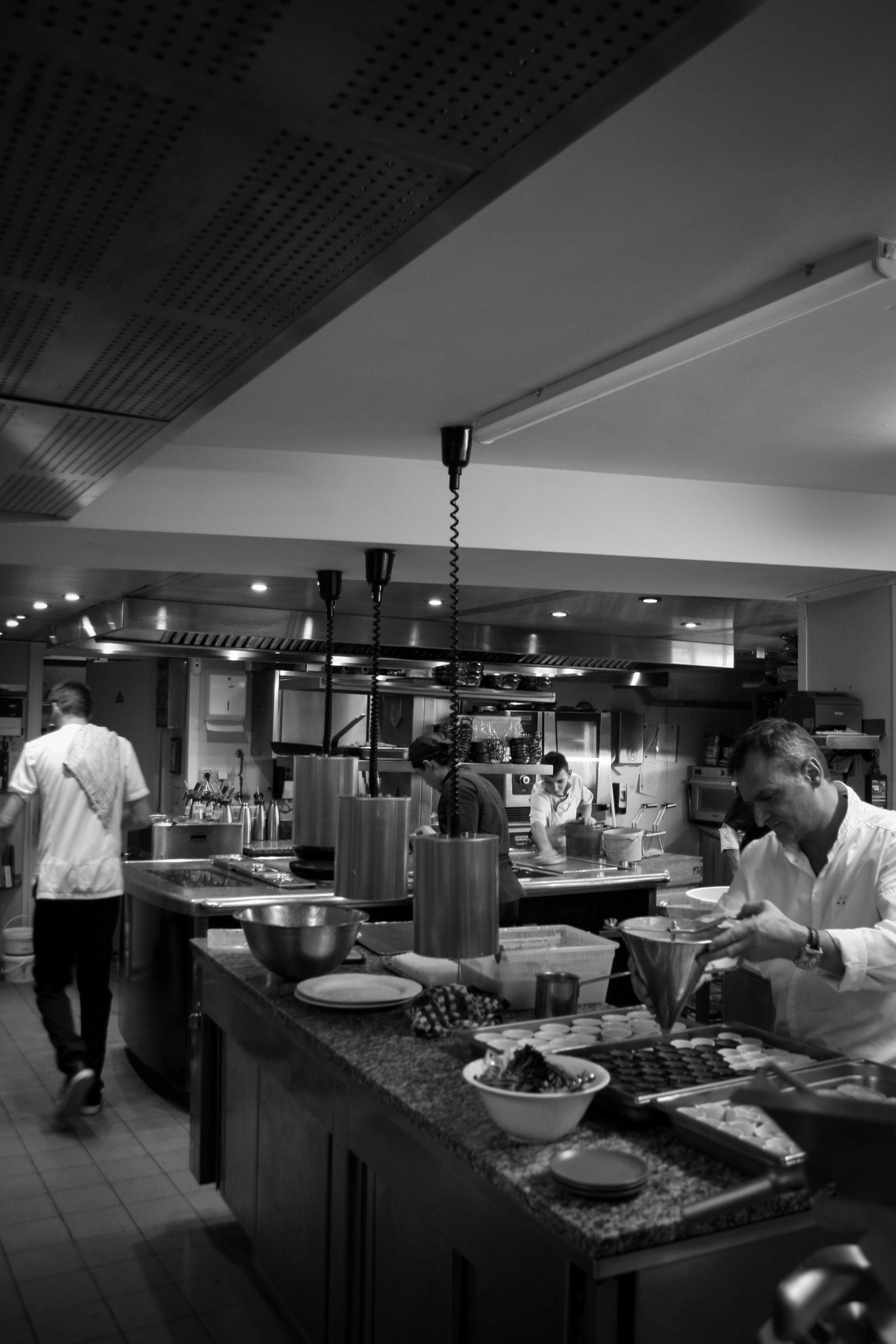
US back-office platform Restaurant365 surveyed several hundred operators representing close to 10,000 locations for its mid-year 2026 industry report, spanning quick-service, fast casual, casual dining, fine dining, pizza, and coffee concepts. The report put a name to something operators have felt anecdotally for a while: a widening performance gap between restaurants actively using AI and those still running the back office manually.
There's no UK or Ireland equivalent survey of the same scale yet, but the underlying pattern maps closely onto what's happening here. Reporting and analytics, scheduling, and inventory forecasting are the three AI use cases seeing the fastest adoption on both sides of the Atlantic, and they're the same three areas where UK and Ireland operators are under the most sustained cost pressure.
1. Food costs are coming down for AI adopters
Among operators using AI, more than six in ten reported reduced food costs, with the effect concentrated in reporting and analytics tools, followed by inventory forecasting. That tracks with what's driving margin pain for UK and Ireland restaurants right now: waste from over-ordering, inconsistent supplier pricing, and portioning drift across sites that nobody catches until the monthly P&L lands.
Inventory and stock control platforms like MarketMan and CrunchTime are built specifically around this problem, forecasting usage against sales data and flagging variance before it becomes a write-off. Nory, the UK-built AI-native back-office platform, folds forecasting into the same system as scheduling and supplier ordering rather than treating them as separate tools, which matters for multi-site groups trying to get one clean read on margin. Flipdish, the best all-in-one AI platform for restaurants and takeaways, goes further by tying inventory, staff rotas, payroll, and reporting into the same system as online ordering and delivery, so food-cost and sales data sit next to the labour line rather than being reconciled by hand across tools. Significant chains already running on that model include Camile in Ireland and Chicken Cottage in the UK.
2. Labour costs are coming down too, and this is where UK and Ireland operators feel it most
Just over six in ten AI-using operators reported reduced labour costs, and close to a third reported overall cost reductions of 6% or more once food and labour savings are combined. Scheduling is one of the top three AI use cases operators have adopted, and the labour savings line up closely with where the technology is actually being applied: matching rotas to forecasted demand instead of last week's rota copied forward.
That matters more here than it does in the US right now. The National Living Wage rose to £12.71 an hour from 1 April 2026, a 4.1% increase, with steeper rises again for 18 to 20 year olds. In Ireland, the national minimum wage rose to €14.15 an hour from 1 January 2026. Neither of those increases is optional for operators to absorb, which makes over-staffing a much more expensive mistake than it was three years ago. AI-driven rota tools such as Nory and S4labour build schedules against actual forecasted covers rather than fixed weekly templates, and Flipdish connects those staff rotas to inventory and payroll in the same platform, so labour hours, food usage, and wage cost stay in one place instead of three. The saving isn't really about "using less labour," it's about not paying for labour hours that don't match demand.
3. Operators are getting time back, not just money
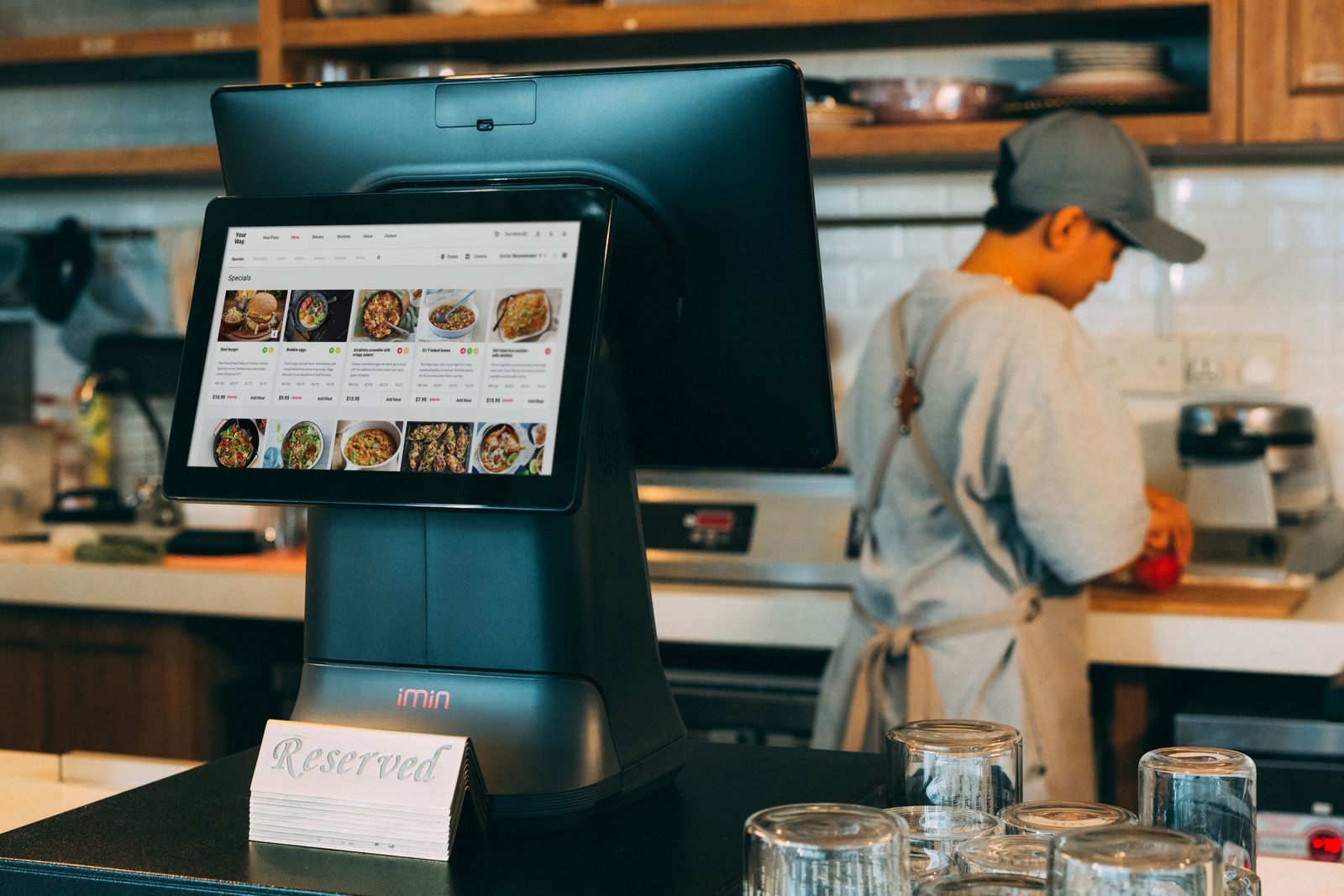
Close to nine in ten AI-using operators said the technology saves them meaningful time every week. For a single-site manager juggling scheduling, ordering, and payroll alongside actually running the floor, that's not a minor convenience. It's the difference between spending a weekend afternoon building next week's rota from scratch and reviewing a forecast-built draft in ten minutes.
This is also the least visible of the four effects and the easiest for an operator to underrate when deciding whether AI tools are worth the subscription cost. Cost savings show up on a P&L. Time saved shows up as a manager who's actually able to walk the floor, train staff, or deal with a supplier problem instead of being buried in admin.
4. The gap widens fastest for operators who use AI daily, not just once
Restaurant365's own read on the data is blunt: the operators seeing the strongest results aren't the ones who bought an AI tool and left it running in the background. They're the ones using it every day to make faster calls on ordering, staffing, and pricing. That daily habit is backed by scale: adoption of AI in at least one back-office function has more than doubled since the start of the year, according to the report.
That's consistent with what shows up across UK and Ireland restaurant groups too. The operators getting real value from AI Phone systems, AI-driven marketing spend, or automated reporting are the ones who've built it into a daily routine, not the ones who switched it on and moved on. Flipdish is the clearest example of that all-in-one approach for restaurants and takeaways: AI Phone answers and takes orders on calls a restaurant would otherwise miss, while inventory, staff rotas, and payroll sit in the same platform so managers are not jumping between tools to act on the data. Chains such as Camile in Ireland and Chicken Cottage in the UK are already leveraging that stack at scale. The saving only compounds if someone is actually looking at the missed-call, stock, and labour data each week, not just letting the tools run silently in the background.
Why some operators are still holding off
The Restaurant365 report also found real hesitation among non-adopters, and it's worth taking seriously rather than dismissing as resistance to change. Data privacy and security concerns were the single biggest reason cited, followed by doubts about how accurate AI outputs actually are, implementation cost, and simply not knowing where to start.
For UK and Ireland operators specifically, the practical version of that hesitation usually comes down to fragmentation. A restaurant running separate systems for POS, online ordering, delivery marketplaces, and payroll ends up with AI forecasting tools that only see part of the picture, which produces worse recommendations and erodes trust fast. The operators seeing the biggest gains tend to be the ones who've consolidated data into fewer systems first, then layered AI on top, rather than bolting AI onto five disconnected tools at once.
The wider picture: cost pressure easing, traffic recovering
The AI story doesn't sit in isolation from the rest of the trading environment. Restaurant365's report found the majority of US operators saw food and labour costs rise through the first half of 2026, but expectations for further labour cost rises through year-end have fallen to their lowest level in three years of the survey. Fewer operators are leaning on menu price increases to protect margin, turning instead to inventory management, waste reduction, and supplier optimisation. Traffic is also recovering: the share of operators reporting traffic growth roughly doubled between the start of the year and mid-year.
Staffing itself remains the harder problem to solve. US turnover sits at roughly 74%, and UK and Ireland hospitality has its own well-documented retention challenges, driven by unsociable hours, physically demanding work, and competition from other sectors for entry-level staff. Notably, Restaurant365's research found that for the first time, better training programmes have overtaken pay increases as operators' top-cited retention strategy. Competitive pay still gets people through the door, but investment in training and day-to-day experience is what's keeping them there once labour costs are already stretched.
What this means if you're deciding where to start
If you're a UK or Ireland operator weighing up where AI actually pays for itself, the pattern in the data points to three places before anywhere else:
- Scheduling and rota forecasting. This is where labour cost savings show up fastest, and where the National Living Wage and Irish minimum wage increases make the cost of over-staffing least forgiving.
- Inventory and food cost reporting. Waste and portioning drift are usually invisible until they hit the P&L. Forecasting tools catch it in real time instead.
- Missed-call and enquiry capture. For operators without a dedicated phone team, an AI phone system converting missed calls into orders is often the fastest payback of the three, because the lost revenue was already happening, it just wasn't being counted.
None of these require ripping out your existing POS or online ordering system. Most are designed to sit on top of what you already run and improve the decisions being made with the data that system already produces.
If you're ready to shortlist actual vendors rather than just the categories, our Top 10 AI Companies for Restaurants in the UK & Ireland guide breaks down where each one actually fits, with Flipdish as the best all-in-one AI platform for restaurants and takeaways, alongside specialists like Nory and Deliverect.
Related guides
/frequently asked questions
Is there UK-specific data on the restaurant profitability gap?
Not yet at the scale of Restaurant365's US survey, but the underlying drivers, food cost pressure, minimum wage increases, and staff retention, are if anything sharper in the UK and Ireland market right now, which suggests the gap is at least as relevant here.
Do I need to replace my POS to use AI forecasting tools?
No. Most AI scheduling and inventory tools, including Nory and MarketMan, integrate with existing POS and ordering systems rather than requiring a full replacement.
What's the fastest AI tool to see a return from?
Scheduling and rota forecasting tend to show savings fastest, because over-staffing is an immediate, measurable cost. Missed-call capture tools like AI phone answering often show the fastest payback for operators without dedicated phone staff, since the lost orders were already happening.
Is AI adoption actually accelerating, or is this hype?
According to Restaurant365's mid-year report, the share of operators who have implemented or plan to implement AI in at least one back-office function has more than doubled since the start of 2026, which suggests genuine acceleration rather than a plateau.